
What Is the MOQ for Custom Knitwear Manufacturing? A Guide for Clothing Brands
When sourcing custom sweaters or other knitted garments, one of the first questions clothing brands usually ask is:
“What is your MOQ?”
MOQ stands for Minimum Order Quantity—the smallest quantity a manufacturer is willing or able to produce for a particular order.
For custom knitwear, however, MOQ is not simply an arbitrary number set by the factory. Yarn availability, colors, sizes, knitting structures, trims and production setup can all influence the minimum quantity required.
Understanding how knitwear MOQ works can help you plan your collection more effectively, control inventory risk and communicate more efficiently with your manufacturer.
In this guide, we'll explain what affects custom knitwear MOQ and what smaller or emerging brands should consider before placing their first production order.
1. What Does MOQ Mean in Knitwear Manufacturing?
In custom knitwear manufacturing, MOQ refers to the minimum number of garments required for production.
However, it is important to look beyond the total order quantity.
For example, a factory may calculate MOQ based on:
- Style
- Color
- Size
- Yarn
- Custom material or trim requirements
This means an order of 200 sweaters in one color may be much easier to produce than 200 sweaters divided across ten different colors.
When requesting a quotation, brands should therefore provide not only the total quantity but also the planned quantity per color and size.
This allows the manufacturer to determine whether the production plan is practical.
2. Why Do Custom Knitwear Manufacturers Have MOQs?
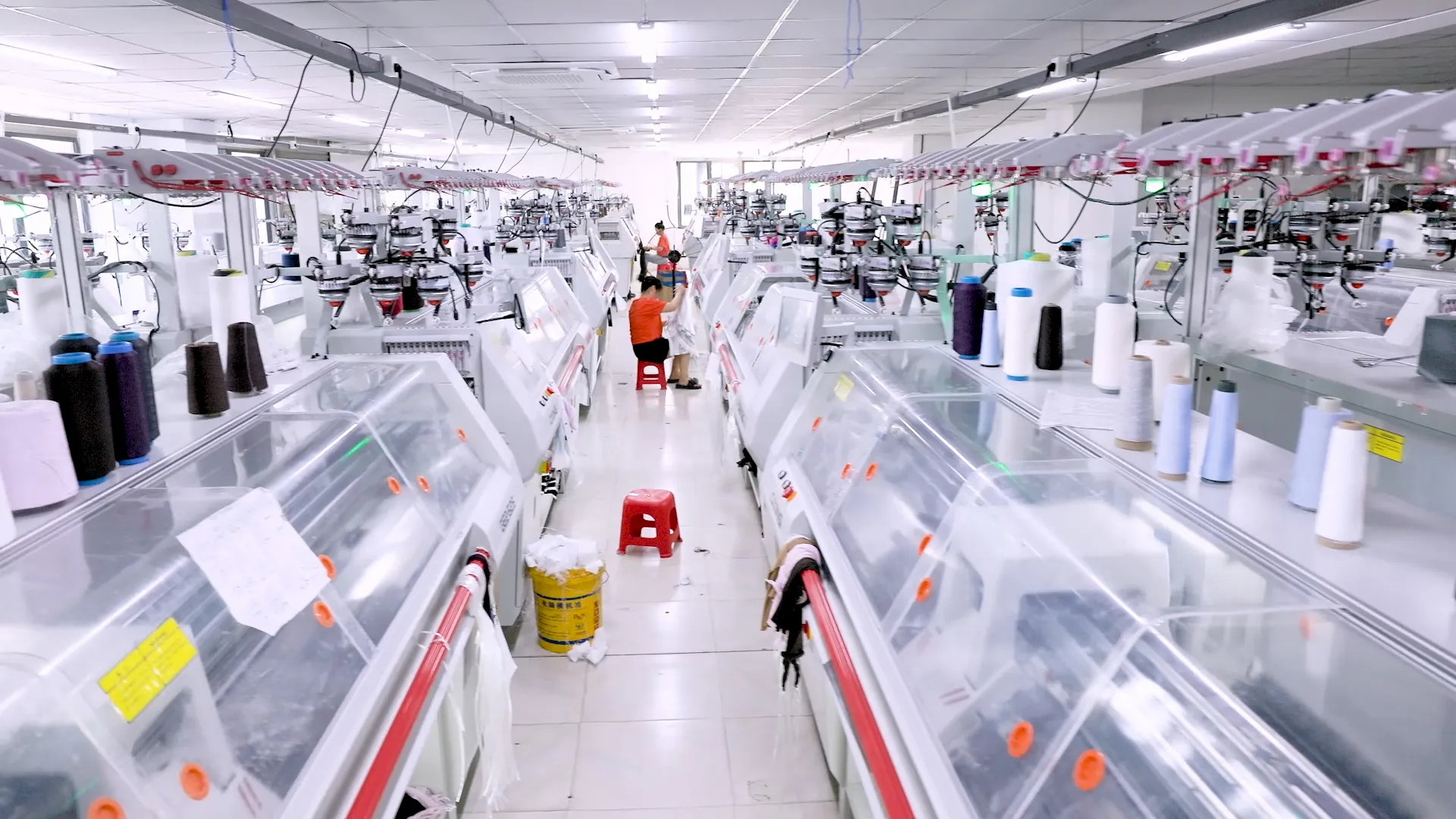
Unlike purchasing ready-made garments from stock, custom sweater manufacturing requires a production process to be set up specifically for your design.
Before bulk production begins, the manufacturer may need to:
- Source or prepare yarn
- Program computerized knitting machines
- Develop knitting structures
- Prepare size specifications
- Set up linking and finishing requirements
- Source customized labels and trims
- Arrange washing and finishing
- Prepare packaging materials
Producing only a few garments using this process can make the production cost per piece significantly higher.
MOQ therefore helps factories balance customization with efficient production.
3. Yarn Is One of the Biggest Factors Affecting MOQ
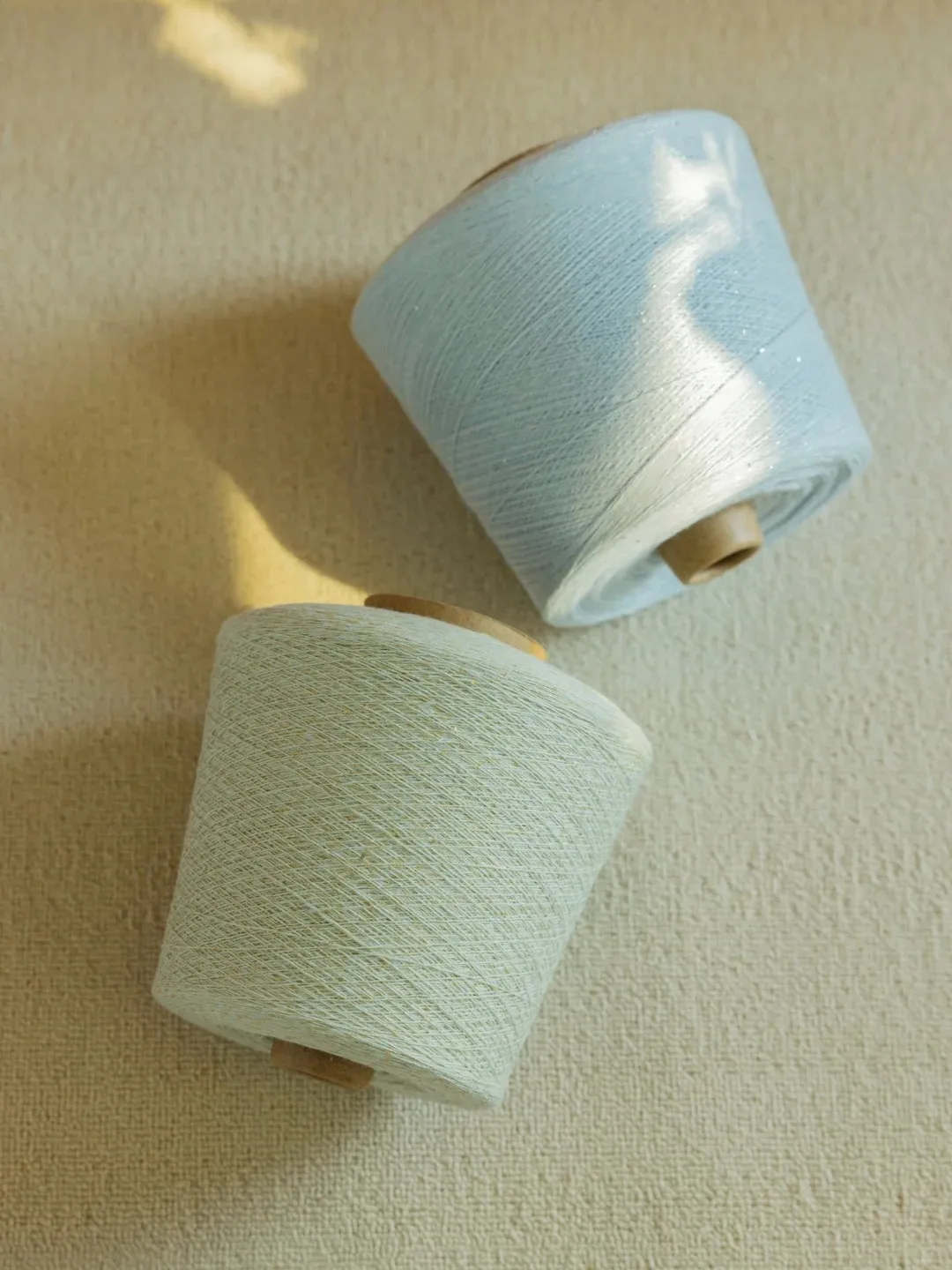
Yarn is especially important when determining the MOQ of a knitted garment.
Different yarn suppliers have their own minimum quantities, and availability varies depending on the fiber composition, yarn count and color.
If your design uses a commonly available stock yarn and existing color, the production requirements may be more flexible.
If your project requires:
- Custom-dyed yarn
- Special fiber blends
- Uncommon yarn counts
- Special effects or textures
- A very specific custom color
the yarn supplier's own MOQ may increase the overall production requirement.
This is why it is useful to discuss the design, composition, target price and quantity together, rather than asking for MOQ as an isolated number.
4. The Number of Colors Can Change Your MOQ
Color is another common source of confusion.
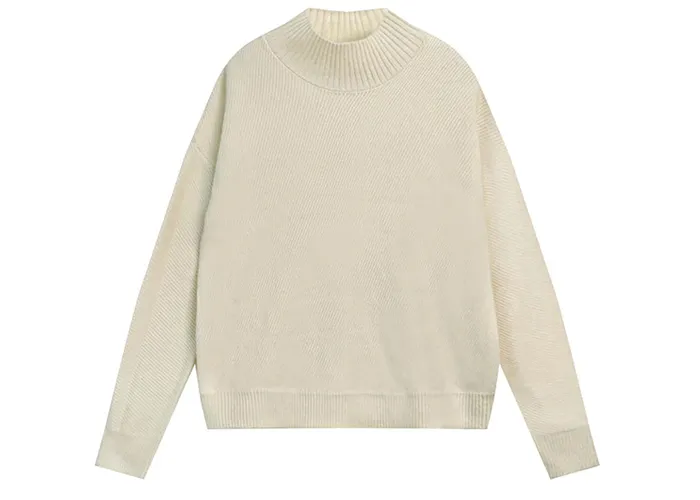
Imagine that a brand wants to order 200 sweaters.
Option A:
200 pieces in black
Option B:
40 black + 40 beige + 40 blue + 40 green + 40 pink
Although both orders contain 200 pieces in total, Option B requires five separate color arrangements.
Each additional color may affect yarn preparation, machine scheduling, production management and inventory.
For smaller brands, starting with fewer core colors is often a practical way to make the first production run easier to manage.
5. Sizes Also Matter
The same principle applies to sizes.
An order distributed across XS, S, M, L and XL requires more production coordination than an order with fewer size variations.
Different sizes require different garment measurements and machine programming.
For brands preparing their first collection, it is therefore useful to create a realistic size breakdown based on their target customer instead of automatically ordering equal quantities of every size.
A clear size breakdown also allows the manufacturer to provide a more accurate quotation and production assessment.
6. Knit Structure and Design Complexity Can Affect MOQ
Not every sweater requires the same production setup.
A basic fine-gauge crew neck sweater is very different from a garment involving complex jacquard artwork, cables, multiple yarn colors or special knitting techniques.
MOQ may be influenced by features such as:
- Jacquard patterns
- Intarsia
- Cable structures
- Multiple yarns
- Special stitches
- Custom embroidery
- Complex garment construction
- Special washing or finishing
This does not mean complicated designs cannot be produced in smaller quantities. It simply means the manufacturer needs to evaluate the design before confirming what production quantity is practical.
If you would like to understand the complete development process before placing a production order, read our step-by-step guide to custom sweater manufacturing .
7. What Is Considered a Low MOQ for Custom Knitwear?
There is no universal definition of “low MOQ.”
The appropriate quantity depends on the manufacturer, yarn, design and level of customization.
For an emerging fashion brand, a lower MOQ can be particularly useful because it allows the business to:
- Test a new design
- Reduce initial inventory
- Launch more styles with less capital
- Test different markets
- Collect customer feedback
- Reorder successful styles later
However, the lowest MOQ is not always the best manufacturing option.
A supplier offering an extremely small quantity may have a higher unit price, limited yarn options or restrictions on customization.
Brands should therefore evaluate MOQ together with quality, development capability, price and production consistency.
8. What Is Ainety's MOQ for Custom Knitwear?
At Xiamen Ainety Garments Co., Ltd., our standard MOQ for custom knitwear can start from:50 pieces per color per size
The final MOQ still depends on the specific design, yarn and customization requirements.
We support OEM and ODM development for products including:
- Sweaters
- Cardigans
- Pet sweaters
- Knitted hats
- Scarves
- Gloves
For brands preparing smaller collections, our team can evaluate the design and recommend suitable yarn and production options based on the intended quantity.
The goal is not simply to accept a small order—it is to find a production solution that can maintain the required quality while remaining commercially practical.
9. Does a Lower MOQ Mean a Higher Price?
Often, yes.
The unit price of custom knitwear generally decreases as the production quantity increases because certain development and production costs are distributed across more garments.
For example, the factory still needs to prepare machines, organize yarn, follow specifications and manage production whether the order contains 50 pieces or 500 pieces.
Other factors affecting sweater prices include:
- Yarn composition
- Yarn consumption
- Knit gauge
- Garment weight
- Design complexity
- Accessories and trims
- Labels and packaging
- Order quantity
For this reason, when requesting a quotation, it is better to provide an estimated quantity instead of asking only:
“What is your best price?”
A quotation based on a realistic quantity is much more useful.
10. How Can Small Brands Manage Knitwear MOQ?
Start With Fewer Colors
Instead of launching one design in six colors, consider starting with two or three colors that best represent the collection.
Focus on Stronger Styles
Producing fewer styles with meaningful quantities can sometimes be more practical than spreading a small budget across many different designs.
Consider Available Yarn Options
If appropriate for the design, choosing suitable existing yarn colors can sometimes provide more flexibility than developing a completely custom-dyed yarn.
Plan Your Size Breakdown Carefully
Use realistic expected sales by size instead of automatically splitting quantities equally.
Discuss Your Target Quantity Early
Tell the manufacturer your expected quantity during the development stage.
An experienced knitwear supplier may be able to suggest adjustments to the yarn, structure or production plan before sampling begins.
11. Should You Choose a Manufacturer Based on MOQ Alone?
No.
MOQ is important, but it should not be the only factor used to select a supplier.
When comparing knitwear manufacturers, brands should also consider:
- Sampling capability
- Yarn sourcing
- Knit gauge capabilities
- Quality control
- Communication
- OEM/ODM experience
- Customization capability
- Bulk production consistency
- Lead time
A very low MOQ is not valuable if the supplier cannot reproduce the approved sample consistently during production.
For custom knitwear, the best manufacturing partner is usually one that offers a reasonable balance between flexibility, quality, price and production capability.
Frequently Asked Questions About Custom Knitwear MOQ
What is the MOQ for custom sweaters?
MOQ varies according to the manufacturer, yarn, colors, sizes and design. At Ainety, standard custom knitwear production can start from 50 pieces per color per size, depending on the project.
Can I order several colors within the MOQ?
This depends on how the MOQ is calculated. Because different colors require separate yarn and production arrangements, manufacturers commonly set minimum requirements by color rather than only by total order quantity.
Can I make a sample before placing a bulk order?
Yes. Developing a sample before bulk production is highly recommended for custom knitwear. It allows you to confirm yarn, measurements, fit, knit structure, colors and workmanship before committing to production.
If you are new to custom knitwear production, you can also read our complete guide: How to Customize Sweaters for Your Clothing Brand: A Step-by-Step Guide , which explains the process from design and yarn selection to sampling, bulk production and quality inspection.
Can small clothing brands order custom sweaters?
Yes. Smaller brands can work with manufacturers that support lower production quantities. However, keeping the first collection focused—especially in terms of colors, sizes and styles—can make production more practical.
Does a higher quantity reduce the sweater price?
In many cases, yes. Higher quantities can improve production efficiency and distribute setup costs across more garments. However, yarn, garment weight, construction and customization also have a major influence on the final price.
Looking for a Low MOQ Custom Knitwear Manufacturer?
If you are developing a new knitwear collection, send us your tech pack, reference sample, product photo or design idea, together with your estimated quantity.
Xiamen Ainety Garments Co., Ltd. has specialized in knitwear manufacturing since 2006, providing OEM and ODM support from yarn selection and sampling through bulk production and final inspection.
Tell us your style, quantity and customization requirements, and our team can evaluate a suitable production solution for your project.