
How to Customize Sweaters for Your Clothing Brand: A Step-by-Step Guide
Introduction
Developing a custom sweater for your clothing brand involves much more than choosing a style and color. Yarn composition, knit gauge, measurements, construction, finishing, labels, sampling and quality control can all affect how the final garment looks, feels and performs.
Whether you already have a complete tech pack or only an initial design idea, understanding the custom sweater manufacturing process can help you communicate more efficiently with your supplier, reduce unnecessary sample revisions and move into bulk production more smoothly.
In this guide, we’ll walk through the key steps of developing custom knitwear, from the first product idea to finished production.
1. Start With Your Sweater Design or Product Idea
The first step is to communicate what you want to develop as clearly as possible.
If your brand already has a professional tech pack, you can provide specifications such as measurements, yarn composition, knit structure, colors, trims, labels and construction details.
However, a complete tech pack is not always necessary to start a conversation with a custom knitwear manufacturer.
Depending on the project, you may also provide:
- Technical drawings or sketches
- Reference samples
- Product photos
- Measurement charts
- Preferred yarn compositions
- Pantone colors or other color references
- Logo, embroidery or jacquard artwork
- Label and packaging requirements
For emerging brands or designers that are still developing their ideas, an experienced ODM knitwear manufacturer can also help evaluate yarn options, knitting techniques and construction possibilities before sampling begins.
The more clearly your design requirements are communicated at the beginning, the easier it is to reduce revisions later in the development process.
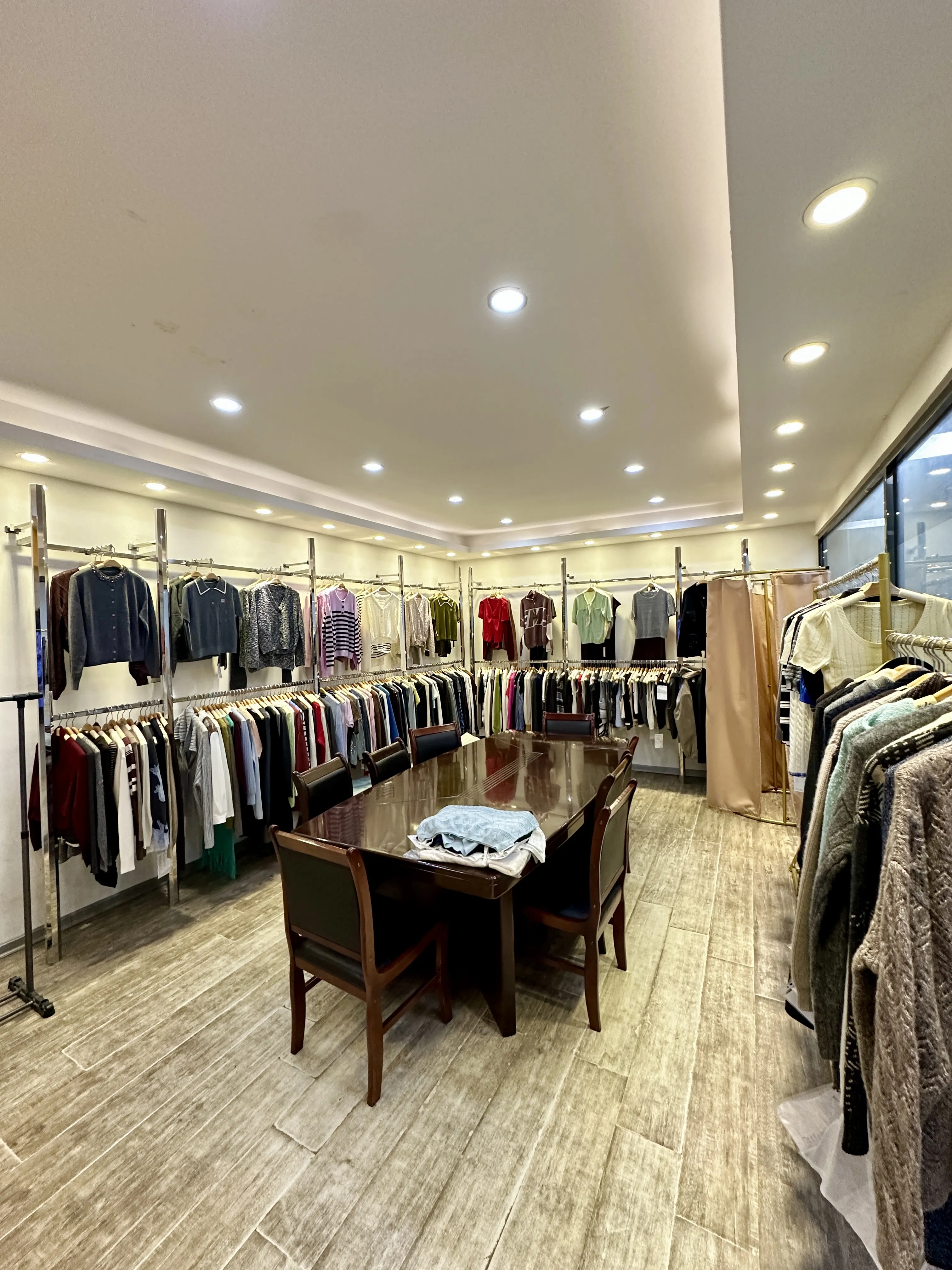
Suggested ALT text: Custom sweater sample showroom at Ainety knitwear factory
2. Choose the Right Yarn for Your Sweater
Yarn selection is one of the most important decisions in custom sweater development.
The yarn affects not only the appearance of the garment but also its softness, warmth, weight, durability, drape and final manufacturing cost.
Common yarn options for knitwear include:
- Wool
- Cashmere
- Cotton
- Viscose
- Acrylic
- Polyester
- Nylon
- Blended yarns
There is no single “best” yarn for every sweater.
For example, a premium winter collection may prioritize wool or cashmere content, while a lightweight spring knit may require a finer and more breathable yarn. A commercial collection with a specific target price may benefit from carefully selected blended yarns.
When discussing yarn with your manufacturer, it helps to provide information about your target season, desired hand feel, product positioning and target price range.
This allows the supplier to recommend options that are more suitable for the actual product rather than simply matching a fiber name.
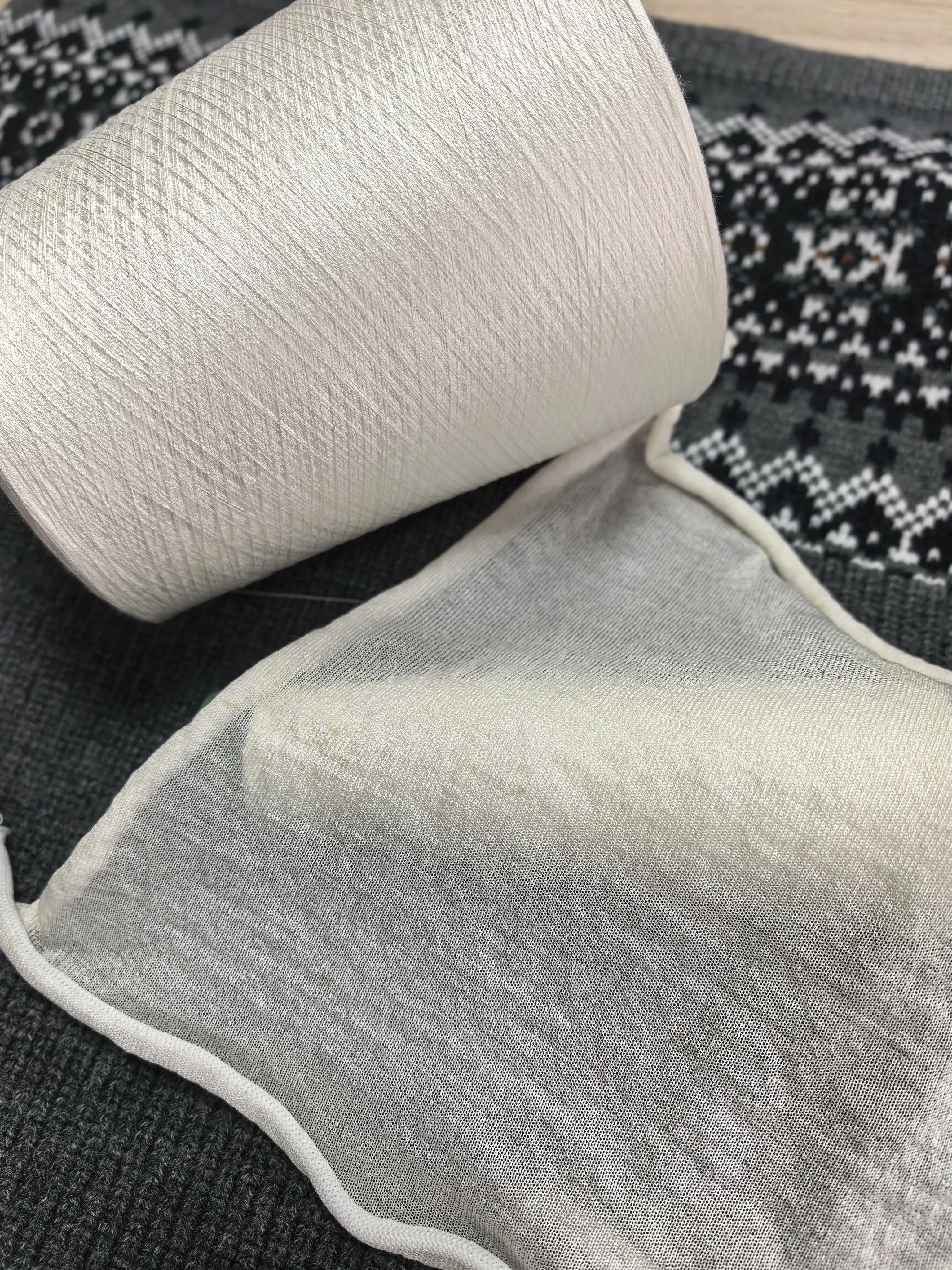
Suggested ALT text: Yarn and knitted fabric development for custom sweaters
3. Confirm Your Color Options
Once the yarn direction is selected, the next step is confirming colors.
Brands can usually provide a Pantone reference, physical color sample or select from available yarn color cards.
Yarn color cards are especially useful during knitwear development because they allow designers and buyers to compare available shades directly before sampling.
For collections with multiple colorways, confirming the colors early can also help the manufacturer check yarn availability and plan sample development more efficiently.
At Ainety, yarn and color options can be discussed according to the design, composition requirements and intended product positioning.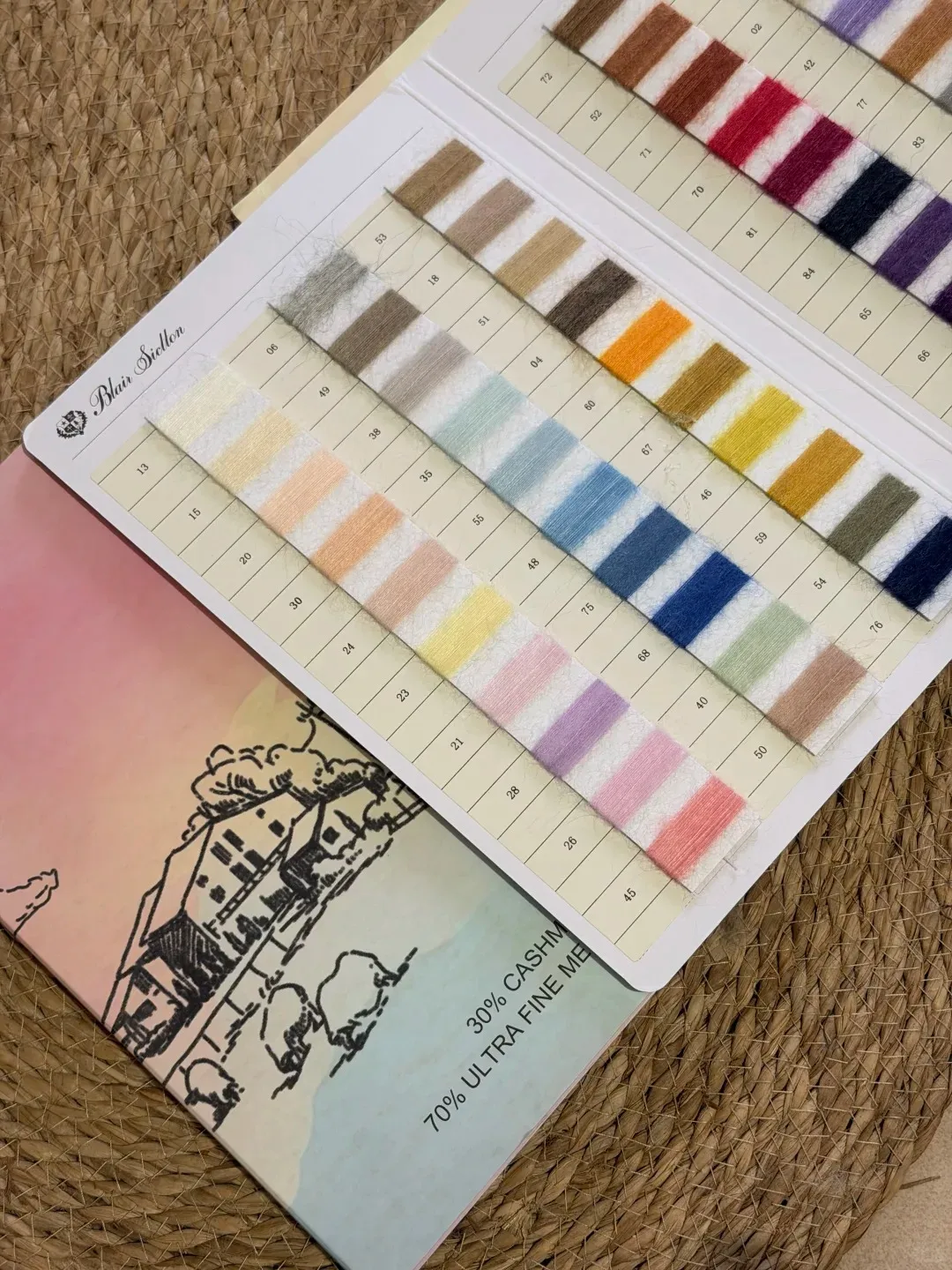
Suggested ALT text: Yarn color card for custom knitwear and sweater development
4. Select the Appropriate Knit Gauge and Structure
Knit gauge has a major influence on the appearance, thickness and overall character of a sweater.
In simple terms, lower-gauge knitting is generally used for chunkier and heavier knitwear, while higher gauges are commonly used for finer and lighter knitted garments.
For example:
- 3G–5G: chunky sweaters and heavier knit structures
- 7G: medium-weight knitwear and textured styles
- 12G–14G: fine-gauge sweaters and cardigans
- 16G–18G: lightweight and fine knitted garments
The correct gauge also depends on yarn thickness, stitch structure and the intended appearance of the garment.
Cable knits, jacquard patterns, ribs, textured stitches and fine jersey structures may require different machine settings and development approaches.
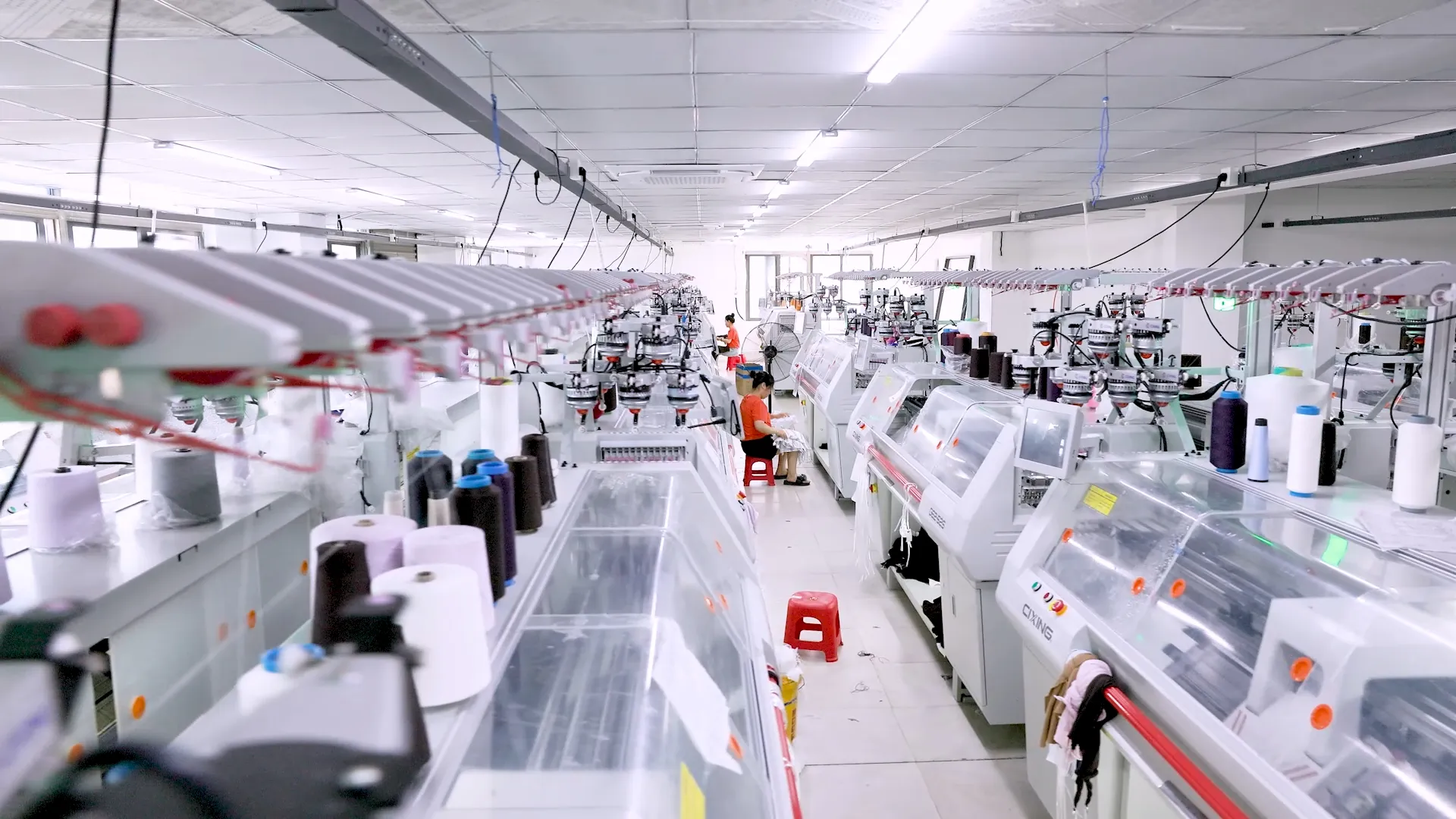
Ainety works with computerized knitting machines covering multiple gauges from 3G to 18G, allowing different types of sweaters, cardigans and knitted accessories to be developed according to the product design.
[INSERT IMAGE: COMPUTERIZED KNITTING MACHINE WORKSHOP]
Suggested ALT text: Computerized knitting machines at Ainety knitwear factory in China
5. Confirm Measurements, Fit and Construction Details
A sweater can use the correct yarn and color but still fail to meet expectations if the fit is wrong.
Before sampling, the manufacturer should clearly understand important measurements such as:
- Chest width
- Body length
- Shoulder width
- Sleeve length
- Armhole
- Hem width
- Neck opening
The required fit should also be communicated clearly—for example, oversized, relaxed, regular, slim or cropped.
Construction details matter as well.
Necklines, cuffs, ribs, plackets, buttons, pockets, zippers, embroidery, jacquard artwork and other design elements should be confirmed as early as possible.
Providing clear specifications at this stage can significantly reduce misunderstandings during sampling.
6. Develop the First Sweater Sample
Sampling is where the design begins to become a real product.
Before moving into bulk production, a physical sweater sample allows the brand to evaluate the actual:
- Yarn and hand feel
- Color
- Measurements
- Fit
- Knit structure
- Stitch quality
- Construction
- Trims and accessories
- Overall appearance
The sample development time depends on factors such as yarn availability, design complexity and knitting structure. For many standard custom knitwear developments, sampling can typically be completed within about one week once the main details are confirmed.
For complicated jacquard patterns, special yarns or designs that require additional development, more time may be needed.
Sampling should not simply be viewed as a step before production. It is an important opportunity to identify and correct potential issues before they are repeated across a bulk order.
Suggested ALT text: Custom knitwear sample development at Ainety sweater manufacturer
7. Review and Revise the Sample
When you receive the first sample, avoid evaluating only whether it “looks good.”
A structured sample review is much more useful.
Check the following points carefully:
- Are the measurements within the required tolerance?
- Is the overall fit correct?
- Does the yarn have the expected hand feel?
- Is the color accurate?
- Are the neckline, cuffs and hem constructed correctly?
- Are buttons, embroidery or jacquard details positioned correctly?
- Are there any knitting or workmanship issues?
- Does the garment match your original design intention?
If revisions are required, provide specific comments whenever possible.
For example, instead of saying “the sweater is too big,” indicate which measurements need to be changed and by how much.
Clear sample comments help the factory make revisions more accurately and can reduce unnecessary rounds of sampling.
8. Add Your Private Label and Custom Branding
For private label knitwear, the garment itself is only one part of the finished product.
Brands may also need to customize:
- Main labels
- Size labels
- Care labels
- Hangtags
- Embroidery
- Jacquard logos
- Packaging bags
- Other branded packaging details
These items should ideally be confirmed before bulk production so that labels, trims and packaging materials can be prepared according to the production schedule.
Ainety provides OEM and ODM knitwear manufacturing services and can support different customization requirements, including colors, sizing, labels, logos and packaging.
9. Confirm MOQ Before Bulk Production
MOQ is an important consideration, especially for emerging brands and smaller collections.
In knitwear manufacturing, minimum order quantities can be affected by several factors, including:
- Yarn requirements
- Number of colors
- Number of sizes
- Knitting structure
- Custom trims
- Production setup
At Ainety, the standard MOQ for custom knitwear can start from 50 pieces per color per size, depending on the design and production requirements.
For brands launching a new style, planning colors and size quantities carefully can help keep the first production run manageable while still meeting manufacturing requirements.
10. Move Into Bulk Knitwear Production
After the final sample and production details are approved, the order can move into bulk manufacturing.
Depending on the product, the production process may include:
Yarn Preparation → Knitting → Linking → Washing & Finishing → Inspection → Labeling → Packing
Each stage can influence the finished garment.
This is why communication between the brand and manufacturer should continue even after the sample has been approved.
An experienced custom sweater manufacturer should be able to follow the confirmed specifications consistently throughout production rather than treating the approved sample and bulk order as separate projects.
11. Quality Inspection and Packing
Quality control is particularly important for knitwear because defects can occur at different stages of production.
Before shipment, finished garments should be checked for issues such as:
- Incorrect measurements
- Knitting defects
- Holes or dropped stitches
- Stains
- Loose threads
- Uneven workmanship
- Incorrect labels
- Packing errors
- Quantity discrepancies
At Ainety, quality inspection is integrated into the manufacturing process, with finished garments receiving final inspection before packing and shipment.
The objective is simple: the bulk order should consistently reflect the specifications and quality standard approved during development.
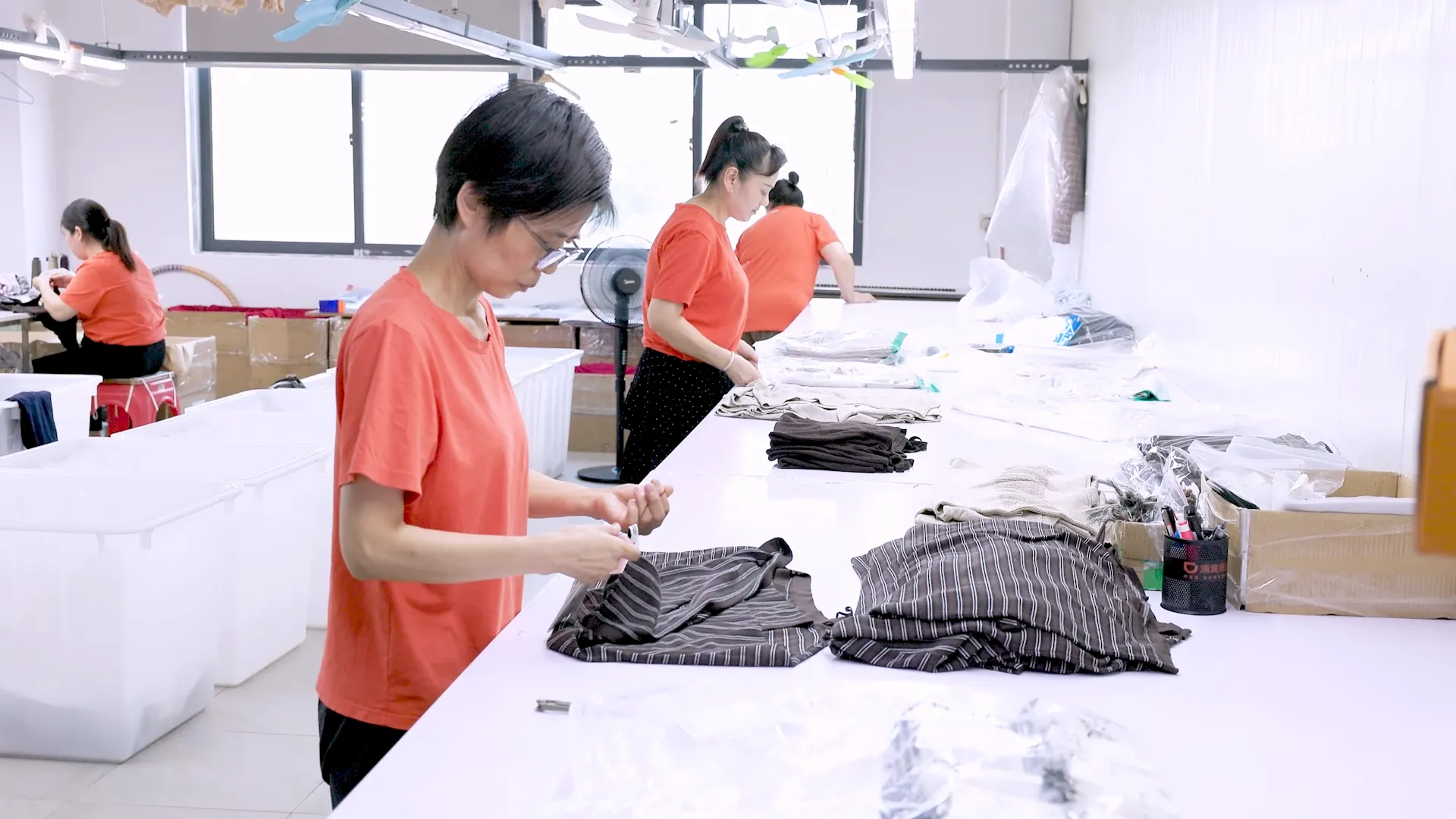
Suggested ALT text: Knitwear quality inspection and packing process at Ainety factory
12. How to Choose the Right Custom Sweater Manufacturer
The right manufacturing partner should do more than simply quote a price.
When evaluating a custom knitwear manufacturer, consider whether the supplier can support:
- Yarn sourcing and recommendations
- Multiple knit gauges
- Sample development
- OEM and ODM projects
- Custom colors and sizing
- Private labels and packaging
- Stable bulk production
- Quality inspection
- Clear communication throughout development
For brands developing multiple knitwear styles, having these capabilities under one manufacturing partner can make the entire process easier to manage.
Xiamen Ainety Garments Co., Ltd. has specialized in knitwear manufacturing since 2006. We support custom development for sweaters, cardigans, pet sweaters, knitted hats, scarves and gloves, providing OEM and ODM services for international brands and buyers.
From yarn selection and sample development to bulk production and final inspection, our goal is to help customers turn their designs into production-ready knitwear.
Suggested ALT text: Ainety custom knitwear manufacturer sample showroom
Frequently Asked Questions About Custom Sweater Manufacturing
What is the MOQ for custom sweaters?
MOQ depends on the yarn, design, colors, sizes and other customization requirements. At Ainety, our standard custom knitwear MOQ can start from 50 pieces per color per size, subject to the specific project.
How long does it take to make a custom sweater sample?
Many standard knitwear samples can typically be developed within about one week after the main specifications and suitable yarn are confirmed. More complex designs may require additional development time.
Can I customize the yarn and color?
Yes. Yarn composition and colors can be selected according to the design, season, target market, desired hand feel and budget. Available yarn color cards can also be used during development.
Can you manufacture from a tech pack or reference sample?
Yes. Development can begin from a tech pack, technical drawing, reference sample, product image or other sufficiently clear design information. The best development method depends on the project.
Can I add my own labels and packaging?
Yes. Private label projects can include customized main labels, care labels, size labels, hangtags and packaging according to the brand's requirements.
Planning Your Next Knitwear Collection?
If you are developing sweaters, cardigans or other knitted products for your brand, send us your tech pack, reference sample, product photo or design idea.
Our team can help you evaluate suitable yarns, knitting structures, sampling and production options based on your project requirements.
Contact Xiamen Ainety Garments Co., Ltd. to discuss your custom knitwear project and request a quotation.